- Home
- /
- Separation Systems
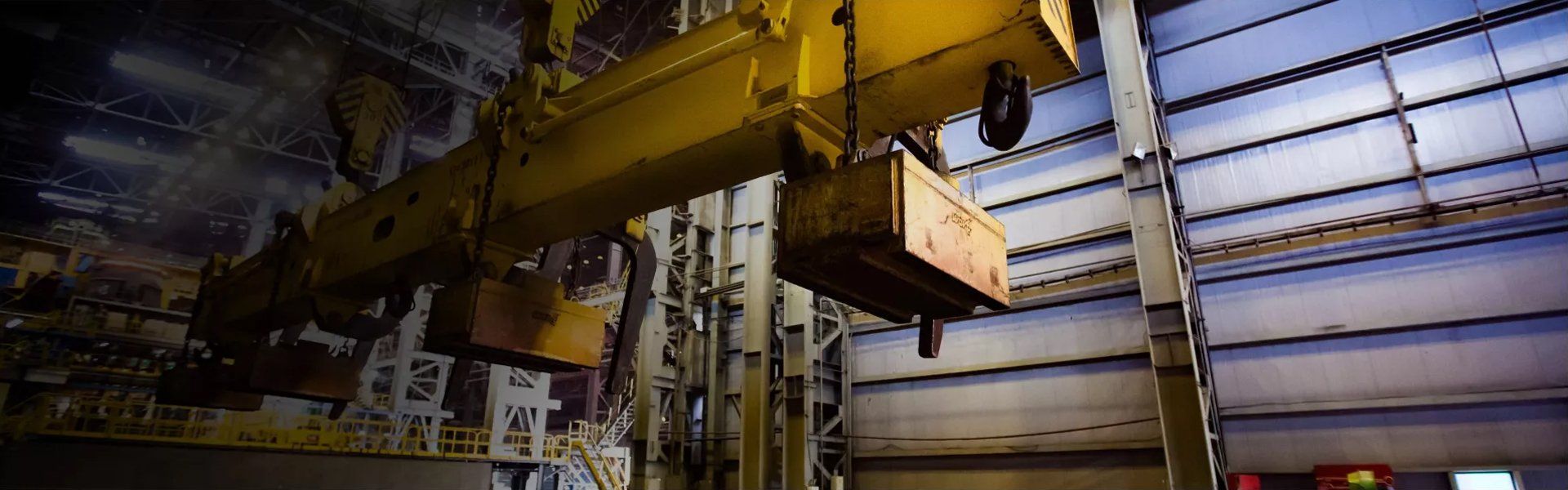
High-Performance Magnetic Separation Systems
Magnetic separation systems play an important role in industries such as oil, plastics, recycling, grain, milling and more, and are designed to attract and filter ferrous contamination utilising high-power magnets, preventing damage to machinery in the most economical and cost-effective manner.
When installed, magnetic separation and detection systems protect processing equipment, preventing costly repairs and ensure product flow such as plastics, dry powders, granules and liquids remain free of contaminants, ensuring the highest quality product is produced.
Magnet Expert's range of magnetic separation and detection systems are fully customisable to meet your specifications, ensuring for the most effective processing lines.
Speak with our team of technical experts to discuss your requirements.
Improved Process Productivity
Machine downtime is reduced through an efficient product flow, leading to increased productivity.
Safer Processing Environment
Removal of ferrous contaminants ensures machinery operates safely, minimising risk of damage.
Increased Product Quality
With cleaner processing lines, products remain contaminant free ensuring the highest quality.
Industry Compatible
Industries such as oil, plastics, recycling, grain, milling and more all utilise process machinery for their operation.
Our Separation Products
Browse our range of separation magnets, designed to cover every stage of material handling and processing. The portfolio includes magnetic separators for removing ferrous contamination from bulk materials.
Each product is engineered for reliable performance, straightforward integration, and long service life, providing practical solutions for protecting equipment, maintaining product quality, and supporting efficient, uninterrupted operation across a wide range of industries.
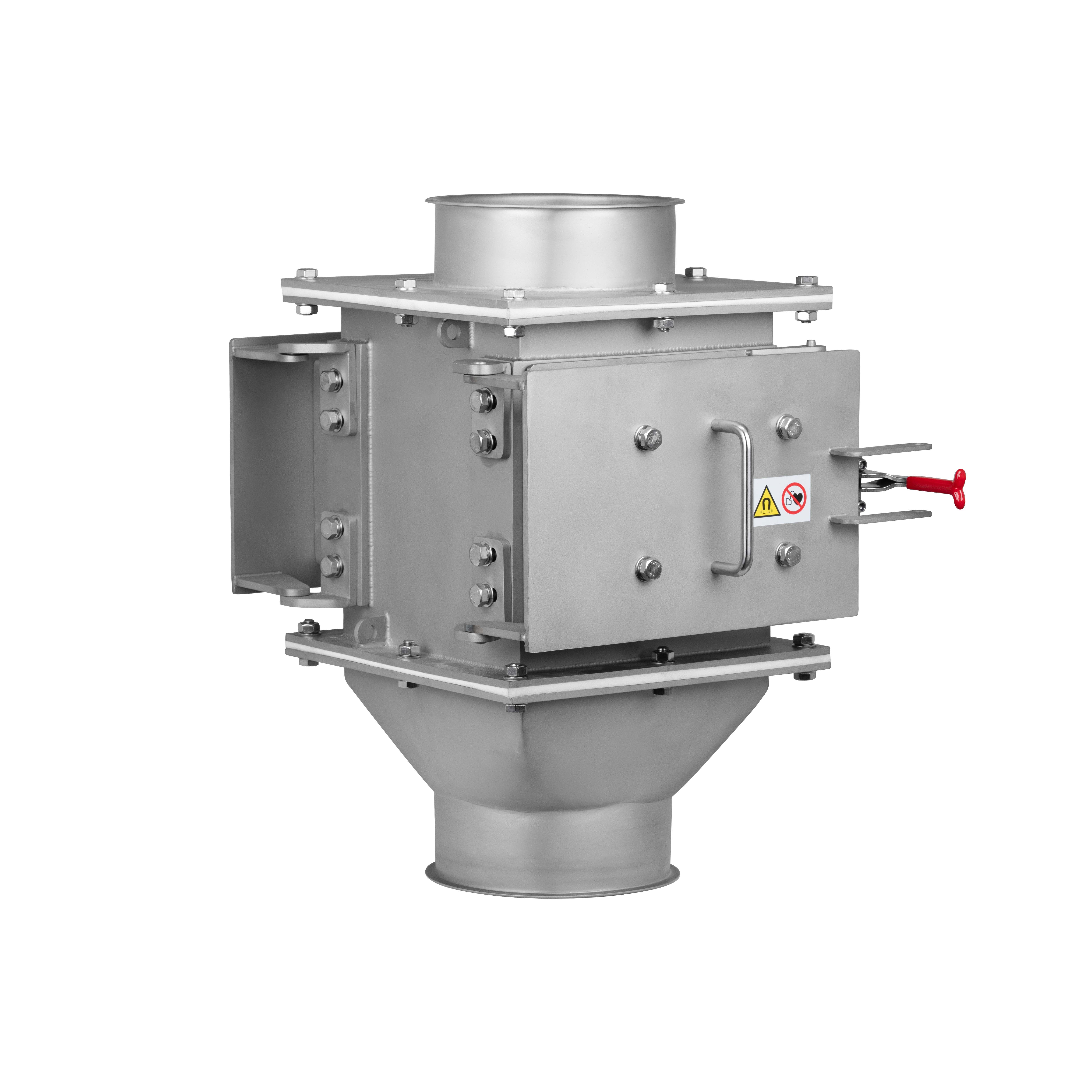
Chute Magnetic Separator
Removes ferrous contamination from free-flowing materials.
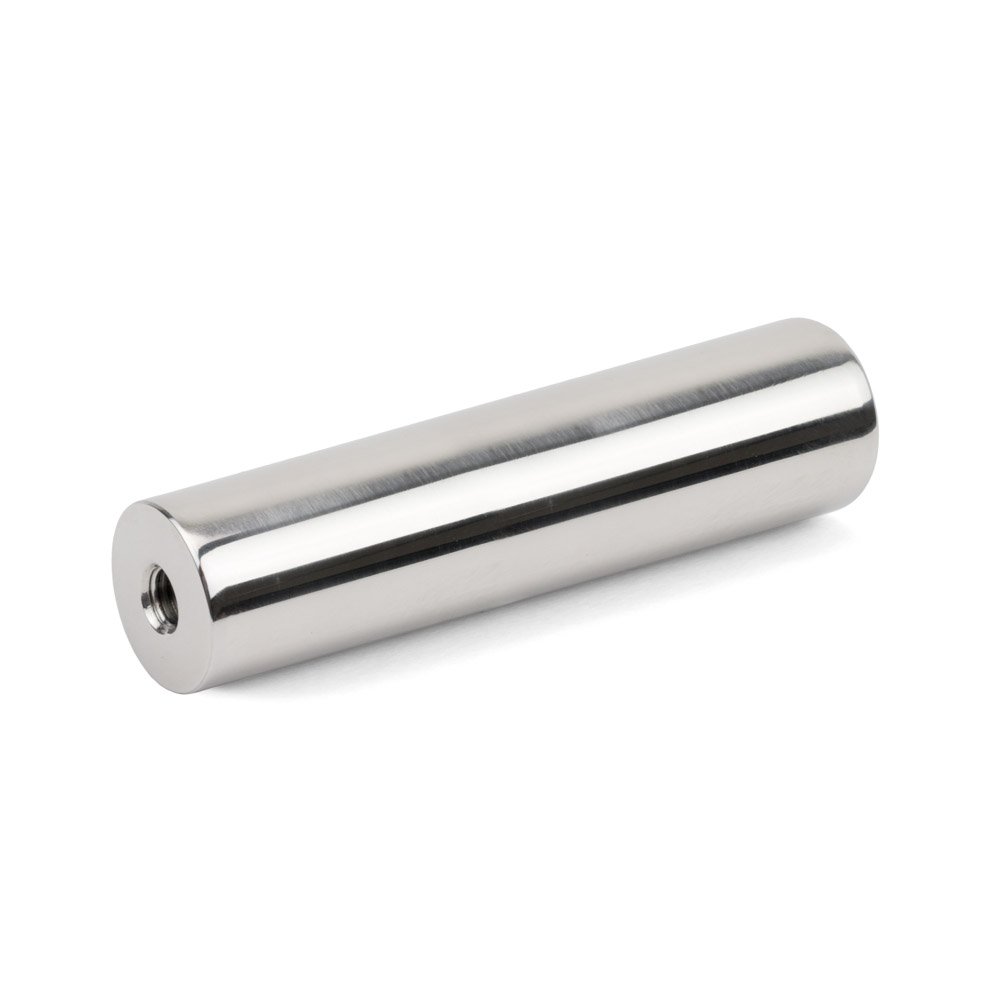
Neodymium Magnetic Rods
High-intensity magnetic rods designed to remove fine ferrous contamination
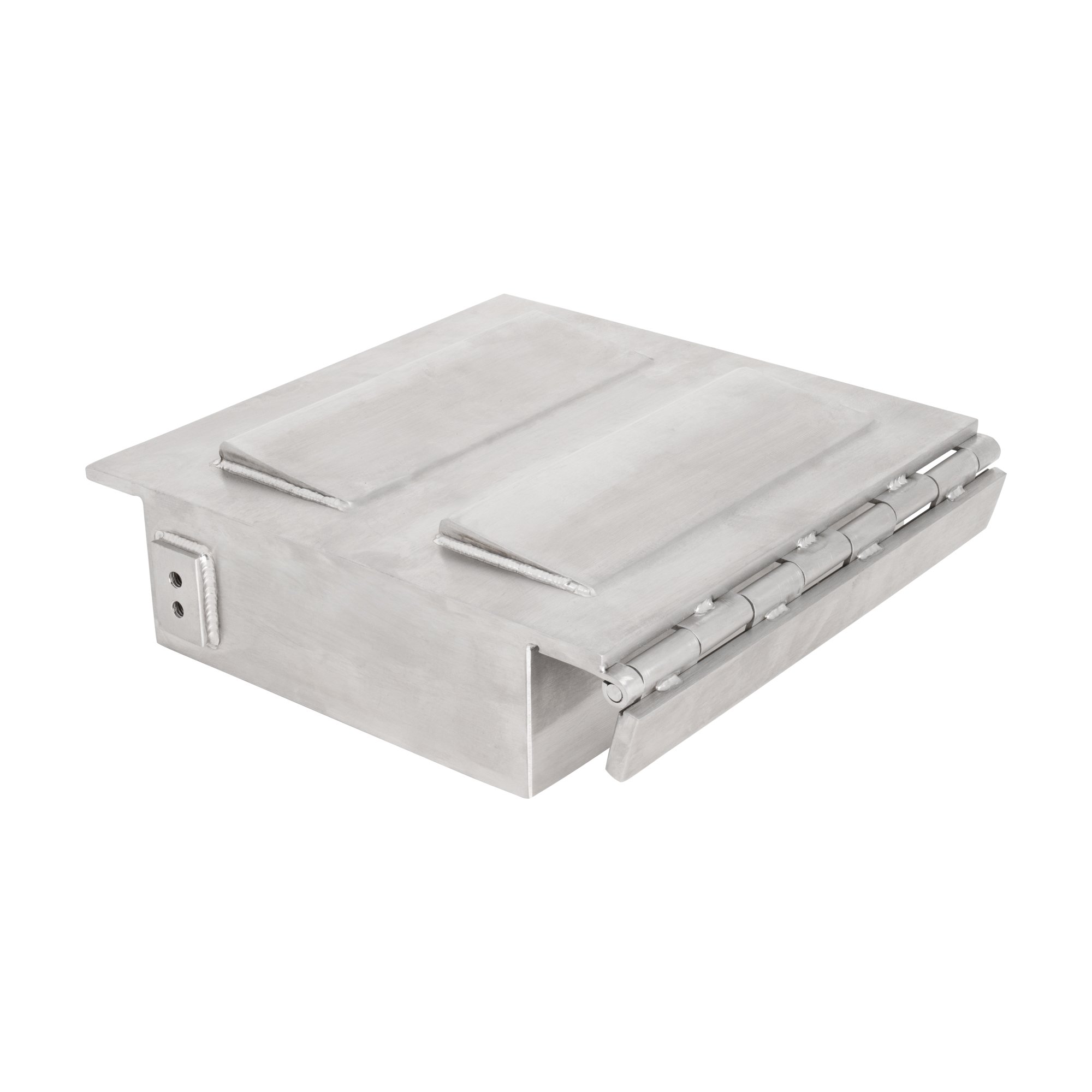
Underflow Magnetic Separator
Removes large ferrous contamination on inclined chutes.
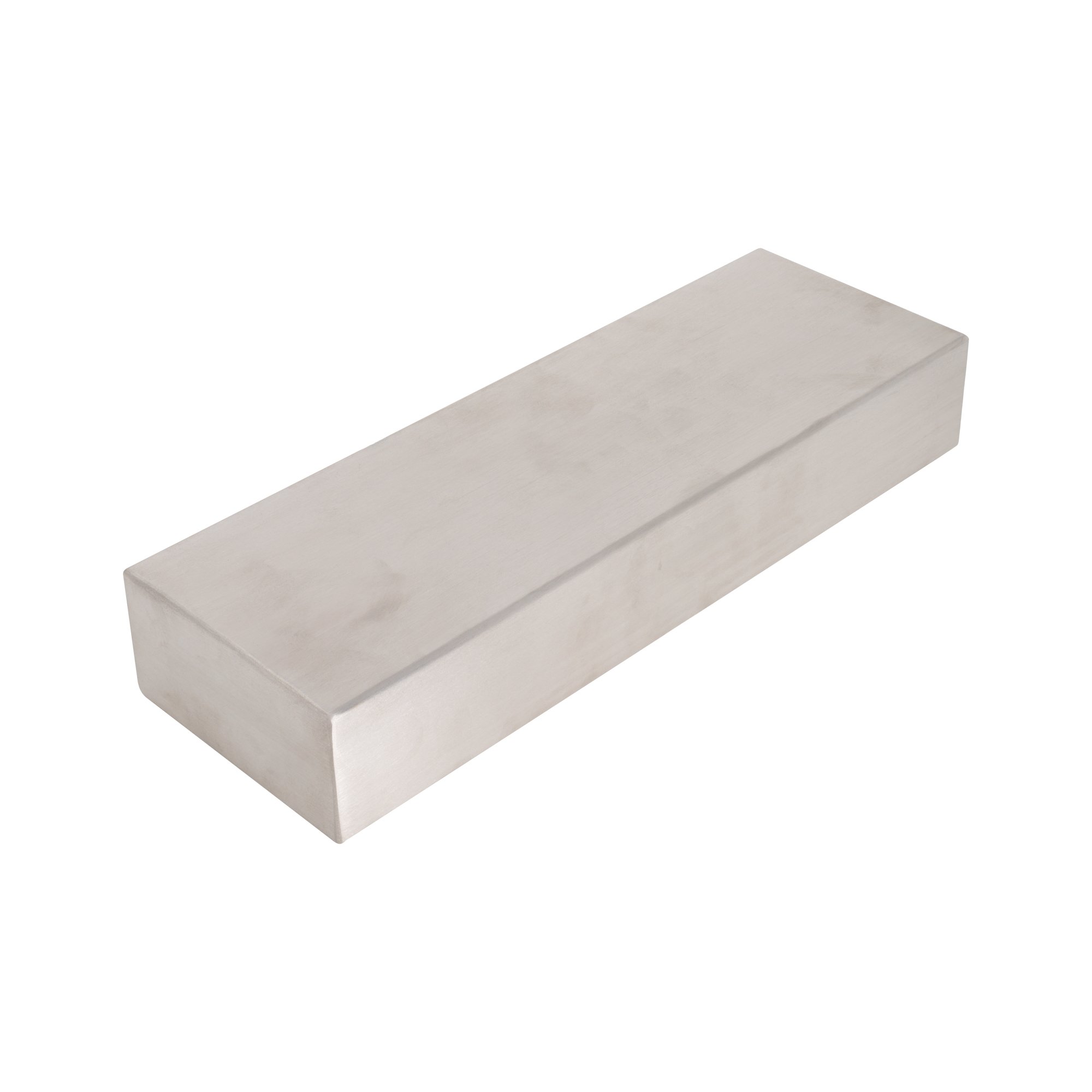
Magnetic Strip Separator
Extracts tramp ferrous particles from conveyed materials.
Why Choose Magnet Expert For Your Magnetic Separation Systems
Every processing line has different contamination challenges. That's why Magnet Expert offers a fully customisable separation systems so that we can help a huge range of businesses produce better quality products. We will work with you to discover a tailored solution that guarantees the best possible performance and gives you peace of mind.
Our decades of experience and our passionate team mean that we are best placed to help any business searching for effective magnetic separation to ensure that their end products are of the highest possible quality.
We aren’t just any magnet supplier, we are truly passionate about magnets and are excited to bring the most cutting-edge technology and highest quality magnetic solutions, tailored to meet your unique business needs.
How MagnetExpert is providing solutions across industries
MagnetExpert provides separation and detection systems across various industries, including:
Food & Beverage
Removes ferrous and fine metal contaminants from dry goods, powders, and liquids. Helping manufacturers maintain product purity and meet strict food safety standards throughout production.
Automotive Manufacturing
Magnetic separation extracts ferrous particles from coolants, lubricants, and process fluids, protecting machinery from wear and maintaining tight tolerances across high-volume production lines.
Precision Engineering & CNC Machining
Fine ferrous swarf from CNC and grinding operations contaminates cutting fluids rapidly. Magnetic separation continuously removes this debris, protecting tooling and extending fluid life.
Metalwork & Fabrication
Metal fabrication generates significant ferrous swarf and particulate in oils and coolants. Magnetic separation handles both coarse and fine debris, reducing fluid changes and keeping equipment running efficiently.
Frequently Asked Questions
Do your separation systems capture non-ferrous metals, or is that solely the role of the detection systems?
Separation equipment works on magnetism alone, so it only captures ferrous (magnetic) contamination. Non-ferrous metals such as aluminium, brass and most stainless steel grades aren't magnetic and will pass straight through a separator untouched. Picking up non-ferrous metal is the job of detection equipment, which uses electronic sensing rather than magnetism to identify metal contamination regardless of whether it's magnetic.
What's the practical difference between a separation system and a detection system - when would a customer need one vs the other vs both?
Separation physically removes ferrous contamination from the product as it passes through, before it can cause damage further down the line. Detection doesn't remove anything itself - it senses metal contamination (ferrous, non-ferrous, and often stainless) as it passes through and triggers a reject or alarm. If your only risk is ferrous contamination, separation alone is usually sufficient and is the simpler, lower-cost option. If you also need to catch non-ferrous or stainless contamination, or you need auditable proof of due diligence for food safety, detection is required. Many lines run both together - separation early to take the bulk of the ferrous risk out, detection later as a final safety net for everything else.
Are the systems food safe and HACCP compliant, and what certifications or standards do they meet?
Our equipment can be specified in food-grade stainless steel with hygienic, washdown-friendly designs suited to HACCP-controlled environments. The exact certifications and standards that apply depend on the specific system and how it's being used in your process, so it's best to talk to our team about your setup directly - they'll confirm what's relevant and what documentation we can provide for your due diligence file.
Can a single system handle both dry materials (powders, granules) and liquids, or are these separate product configurations?
These are separate configurations. Dry product separation (grate magnets, drum separators, chute magnets, etc.) is built around free-flowing solids, while liquid separation (in-line traps and housings) is designed around flow rate, pressure and viscosity. A process that involves both a dry stage and a liquid stage would typically need the appropriate separator fitted at each stage, rather than one unit covering both. Our team can map this out against your process for you.
How difficult is retrofitting into an existing line, and is there typically any production downtime involved?
Most retrofits are straightforward - it usually means breaking into existing pipework or a conveyor and fitting the unit using standard flanges or fixings. Some downtime is generally unavoidable since the line has to be opened up to install it, but for most installations this is measured in hours rather than days. More complex or bespoke builds may need a planned shutdown window, which we'll scope out with you in advance so it can be timed to suit your production schedule.
How does cleaning and maintenance work - how often, and how long does it take?
There's no consumable element to replace - maintenance is simply cleaning off the captured contamination. Most separators are designed for quick-release access, so a clean typically takes a few minutes per unit. Frequency depends entirely on your contamination levels - some lines check daily, others are fine with a weekly clean. Detection systems work differently and instead need periodic calibration checks to stay within your food safety auditing schedule.
What's a typical lead time for a custom built system?
This varies by system, so we're not able to quote a standard lead time. Once we've assessed your requirements and completed the outline design, we'll give you a realistic delivery estimate specific to your build.
Is there a minimum or maximum flow rate/volume the systems can handle?
Yes, every system has practical limits at both ends, and these are set by the model and housing size rather than being fixed across the board. As a rule, the free volume inside the unit needs to be larger than the pipework it's fitted to, or you'll restrict flow - so very high flow rates need a correspondingly larger unit. Send us your actual flow data and our team will match you to the right size.
Ready To Invest In Separation Magnets?
We pride ourselves on delivering not only superior quality products but also next level customer service. We’ll always be happy to answer any questions you have and work with you to find the best solution to meet your needs.
Through our expert technical knowledge, we are ready to assist with your inquiry at every step and can assure you we will find an effective customised solution that helps your business thrive. Don't settle for generic solutions – get in touch with the team at Magnet Expert today for more information on separation magnets.